Pet Loss Specific Grief
Losing a pet is a unique and difficult experience. We are not always prepared for it, and this grief can feel different than other kinds we have felt before. It has its own unique intensity that can sometimes feel overwhelming when we least expect it. Perhaps it shows the most in the way that the house seems quiet, when we reach out for them out of habit, or in the way that we have tailored our lives to revolve around their routine. Many people feel unprepared for the depth of their grief, and many do not feel understood by others.
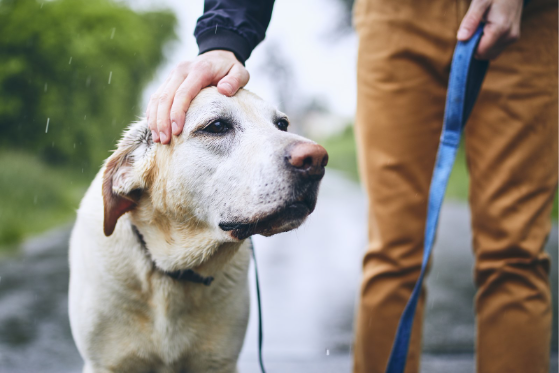
For most people, our pets are a source of comfort, companionship, and acceptance. They help us to emotionally regulate and calm anxiety or combat loneliness. They help to provide structure in our chaotic lives and schedules, and we feel responsible for them. Even though they are unable to speak, their personalities are evident, and we know what they need, and there is a sense of attachment to each other that is different from that with people. For many people and children, these attachments to pets can feel safer or more predictable than human relationships. This makes the loss of this kind of attachment and emotional anchor like losing a family member. At times it can also bring up feelings of abandonment.
When our grief is not acknowledged or validated by others, it is called “disenfranchised” grief. We see this with pet loss with statements like:
- “It was just a pet”
- “You can get another one”
- “Think of the freedom you have now”
- “It was just a fish, at least it wasn’t a dog”
Even if some pet loss is validated by others, some people link the type of pet to the size of allowable grief. Statements like these make people feel isolated or hesitant to express their grief to others in the future. This makes the grieving process more complex.
All kinds of grief and pain are real. All grief and pain deserves space. Just because it was a pet does not mean that you should keep your pain to yourself, or feel like you are weaker than others.
A wide range of emotions are normal to experiene and can include but is not limited to:
- Deep sadness, loneliness, or emptiness
- Guilt (especially around euthanasia or medical decisions)
- Relief after a pet’s suffering ends, often followed by shame
- Numbness or delayed grief
Emotions have no time limit and grief is a marathon. There is no “right way” to grieve, and there can be waves of emotions that change over time. It is also important to acknowledge that pets can be a primary source of companionship. They help us with life transitions and are there for us through life’s different stages.
When we lose a pet, it can activate past grief or unresolved loss that has previously occurred in life. For some it can trigger feelings of abandonment of a being that truly understood us – and can bring up fear that we may never be loved or understood in the same way again. Painful memories are brought up, and we can be left feeling raw and vulnerable.
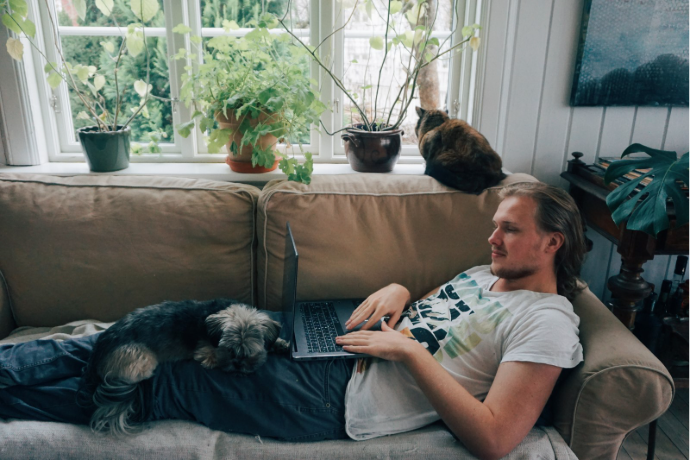
Some individuals have found comfort in
- Creating rituals (lighting a candle, planting something, writing a letter)
- Memory-making (photos, keepsakes, storytelling)
- Continuing bonds (talking to your pet, maintaining small routines)
- Allowing grief to occur without rushing the process
- Changing their perspective so that grief reflects the depth of connection and not weakness
- Understanding that the bond one has with their pet does not disappear it changes
Again, grief has no time frame and is an individual experience, but if grief feels overwhelming, prolonged, or isolating, or if guilt or complicated emotions feel stuck, then reaching out to talk to someone might be a good next step. Therapy can be a space where this type of grief is taken seriously and it can provide an opportunity to process, make meaning, and feel supported.
At Through the Woods Psychology in Calgary, we not only have psychologists and counsellors but also counselling therapist interns that can offer low-cost or no-cost therapy to those who are unable to afford sessions or do not have insurance. Sessions are done in person or online.
Visit our website to learn more or to book your free consultation today. You can also get in touch by email at info@throughthewoods.ca or phone at (403) 984-7922.