Supportive Parenting for Anxious Childhood Emotions (SPACE)
Written for Through the Woods by Michelle Poon, Registered Psychologist
If you are a parent here in Alberta navigating the frustrating, heart-wrenching world of childhood anxiety or Obsessive-Compulsive Disorder (OCD), it can easily feel like you are running on pure survival mode. Watching a child struggle with intense worries, school refusal, or rituals that completely boss the household around is incredibly challenging and traditional individual therapy can feel like a brick wall if a child freezes up or refuses to walk through the clinic doors.
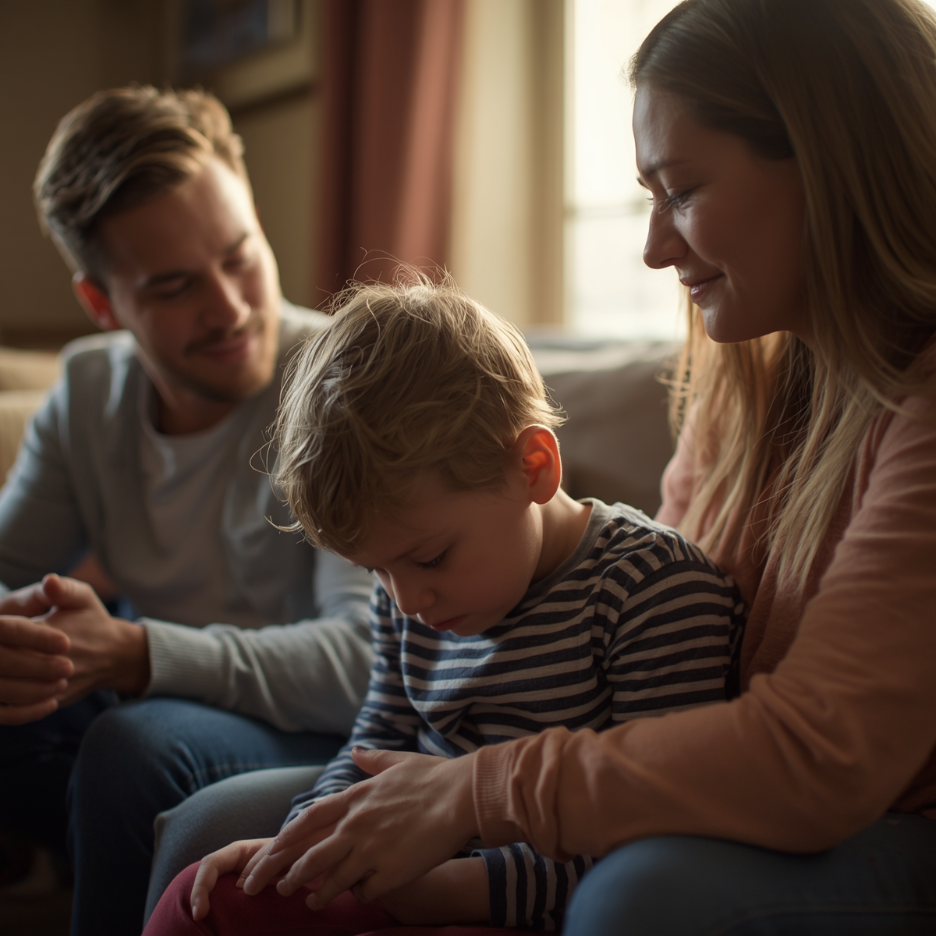
As a psychologist, I often see how overwhelming it is for families when standard approaches aren’t moving the needle. It’s exactly why I recently completed intensive, specialised training in SPACE (Supportive Parenting for Anxious Childhood Emotions), developed by Dr. Eli Lebowitz at the Yale Child Study Centre.
When introducing this framework, it often surprises people because of one major detail: Your child doesn’t come to these therapy sessions.
You do.
Let’s break down exactly what this looks like, how it works, and why it might be the exact missing piece your family has been looking for.
Q: What exactly is SPACE?
A: SPACE is a highly structured, evidence-based treatment program designed to treat childhood and adolescent anxiety and OCD by working exclusively with parents and caregivers.
Instead of putting all the pressure on an already dysregulated, anxious child to fix their thoughts or practice deep breathing, SPACE completely flips the script. It targets the environment around the child. By shifting how we, as the adults, respond to their anxiety, we systematically dismantle the cycle that keeps the anxiety growing.
Q: Who does this actually target?
A: This program is built specifically for parents of children and teens struggling with:
– Separation anxiety (difficulty sleeping alone, extreme distress at school drop-offs)
– Social anxiety (intense fear of being judged, total avoidance of social settings)
– Generalised anxiety (the chronic, non-stop “what-if” worries)
– Severe fears, phobias, and Panic Disorder
– Obsessive-Compulsive Disorder (OCD)
If a child is too young, too cognitively overwhelmed, or completely unmotivated to sit on a therapist’s couch and learn CBT tools, SPACE is an ideal alternative. It meets the family system exactly where it’s at, without forcing a child who is already in a constant state of fight-or-flight to do the heavy lifting of therapy.
Q: Does it actually work if the child isn’t even in the room?
A: This is the most common question, and honestly, the clinical data is why I knew I had to bring this framework into my practice.
A landmark randomised controlled clinical trial at the Yale Child Study Centre compared SPACE directly to traditional, individual Cognitive Behavioural Therapy (CBT) for children. The results were clear: SPACE was proven to be just as effective at reducing a child’s anxiety and overcoming their diagnosis as individual therapy for the child (Lebowitz et al., 2020).

Children don’t live in a vacuum; they live in a family system. Because their nervous systems are still developing, they naturally look to the adults around them to find their anchor. When we change how the system responds to the perceived threat, the child’s anxiety naturally decreases.
Q: Wait… does this mean the anxiety is the parents’ fault?
A: Absolutely, one hundred percent, no. Let’s clear this up right now. Parents do not cause a child’s anxiety or OCD.
Anxiety is biological. Some kids are simply wired with an incredibly sensitive internal smoke detector that fires off massive false alarms of danger over everyday things. When a child is terrified, the hardwired biological instinct of a parent is to protect them, soothe them, and remove the distress. That isn’t bad parenting—it’s deep, protective love.
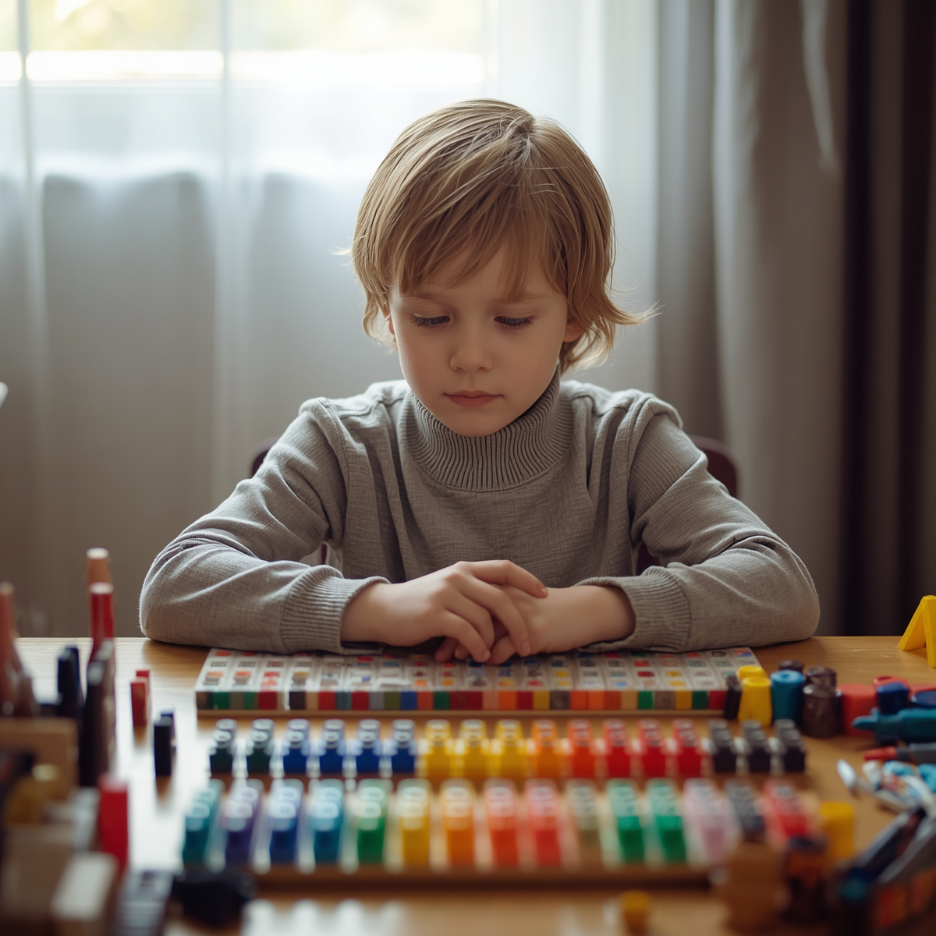
SPACE isn’t about blame; it’s about empowerment. You aren’t the problem, but because you are your child’s primary safe harbour, you get to be a massive part of the solution.
Q: What do we actually do in these sessions?
A: We focus on two core ingredients: Increasing Support and Reducing Accommodation.
Shifting to Supportive Responses: When a child is panicking, it is so easy to fall into either demanding they “just do it” (which feels invalidating to them) or completely validating the danger by protecting them from it. In SPACE, we map out a concrete way of communicating that validates their fear while expressing total confidence in their capacity to grow: “I know you feel incredibly scared right now, AND I know you are strong enough to handle it.”
Systematically Reducing Accommodations: “Accommodations” are the loving things adults do to help kids avoid anxiety. It’s sleeping on their floor for months, answering the same reassuring question 50 times a day, ordering for them at restaurants, or rearranging the entire family’s schedule to avoid a meltdown. It works in the short term, but anxiety feeds on avoidance. In our sessions, we pick one highly specific accommodation at a time, build a meticulous, step-by-step plan, supportively inform the child ahead of time, and safely pull back that accommodation without creating a power struggle at home.
The Bottom Line
If you are tired of dragging your child to appointments, or tired of watching anxiety boss your entire household around, you don’t have to wait for your child to “want” to get better.
You can take the lead. If your family is ready to build a concrete, supportive roadmap out of the anxiety trap, let’s connect. Leave the kiddo at home next week, bring a coffee to my office, and let’s get to work together.
Recommended Reading: Breaking Free of Child Anxiety and OCD: A Scientifically Proven Program for Parents by Dr. Eli Lebowitz.
References:
Lebowitz, E. R., Marin, C., Martino, A., Omer, H., & Silverman, W. K. (2020). Parent-based treatment as efficacious as cognitive-behavioral therapy for childhood anxiety: A randomized noninferiority trial. Journal of the American Academy of Child & Adolescent Psychiatry, 59(4), 537-548.